
- Your cart is empty
- Continue Shopping

 By
By 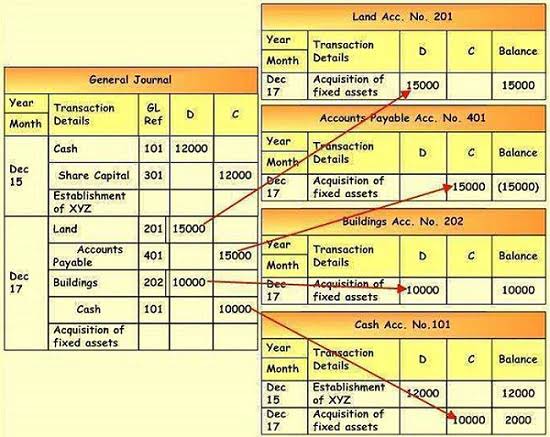
Fortunately, accounting software, like QuickBooks Online, often requires each journal entry to post an equal dollar amount of debits and credits. If the totals don’t balance, you’ll get an error message alerting you to correct the journal entry. For instance, when you make a purchase on credit or take out a loan, you credit your liability account because you’re adding to your financial obligations. Spending cash, selling inventory, or customers paying down their debts are all examples of credits since these resources are leaving your company. This entry increases inventory (an asset account) and increases accounts payable (a liability account). The data in the general ledger is reviewed, adjusted, and used to create the financial statements.
Bad Debt Expense on Income Statement
These are expenses that a company are liabilities expenses incurs from normal daily activities. To arrive at operating income, one has to deduct operating expenses from revenue. It is important for companies to manage their operating expenses in order to ensure profit maximization.

When Should I Classify Something as a Liability?

You must pay short-term liabilities within one year of incurring the debt. Long-term liabilities include debts you pay over a period that is longer than a year. Understanding the placement of these items on the financial statements is crucial for analyzing a company’s financial health and performance. Less common types of payroll liabilities may have different payment and withholding methods.
- Accrued expenses and liabilities are generally classified as current liabilities because their payments are due within a year.
- This increases the child’s assets (money in the piggy bank) and creates a “liability” (an IOU to the parents).
- For recurring expenses like utilities, a company can average the costs from prior periods to estimate the current period’s expense.
- For instance, when you pay your employees, you debit the expense account to show the outflow of cash for wages.
- They are usually grouped into short-term and long-term based on when they are due.
Types of Expenses
They’re recorded on the right side of the balance sheet and include loans, QuickBooks Accountant accounts payable, mortgages, deferred revenues, bonds, warranties, and accrued expenses. One important attribute of liabilities is that they arise from past transactions or events. For example, accounts payable represent amounts owed to suppliers for goods or services received but not yet paid for. Similarly, long-term loans represent borrowed funds that need to be repaid over an extended period.
Locating Accounts Payable and Accrued Expenses on the Financial Statements

The debit increases the equipment account, and the cash account is decreased with a credit. Asset accounts, including cash and equipment, are increased with a debit balance. For example, if a business takes out a loan to buy new equipment, the firm would enter a debit in its equipment account because it now owns a new asset. Before getting into the differences of debit vs. credit accounting, it’s important to understand that they actually work together. Land is classified as a long-term asset on a business’s balance sheet, because it typically isn’t expected to be converted to cash within the span of a year.
Let’s dive into the world of liability accounts, the unsung heroes that keep track of a company’s debts and obligations. CARES Act Think of them as the scorecard of a company’s financial responsibilities. We’ll delve into the nuances of each, offering expert insights and illustrative examples to clarify the distinctions and highlight their importance in financial analysis. Assets are the items your business owns that add value to your company.
By tracking your payroll liabilities and expenses separately, you get a clearer picture of your cash flow. This ensures you have enough money to meet all your obligations. Wages payable represent the salaries and wages that employees have earned but have not yet been paid. This accrual is necessary to ensure that the company’s financial statements accurately reflect its obligations to its employees. Interest payable is another common type of accrued liability, arising from interest expenses that have accumulated on borrowed funds but have not yet been paid. Accounting is a fundamental aspect of every business, serving as the backbone of financial decision-making and reporting.
Current Assets

For example, an investment property can generate rental income and sale proceeds in the future. A surveillance system at a warehouse can help a business in minimizing losses from theft in the future. Both are assets of the business because each provides something of value to the business in the future. For significant, non-recurring expenses, such as professional services or project-based costs, direct communication with vendors is crucial.
